
Sydney event planners weighing a casino night hire Sydney booking usually care about three things before the first card is dealt: how the floor is assembled, how the mechanics feel under pressure, and whether the maths behind the games actually suits a mixed crowd. As a slot mathematician and game-design consultant, I judge these setups the same way I would audit a live floor: volatility curves, payout pacing, and visual identity have to line up, or the room reads as flat by the second hour. The difference between a forgettable evening and one people talk about at the next gathering is rarely the number of tables; it is the alignment of probability, art direction, and pacing. That same discipline matters when you are comparing a live hire package against a digital counterpart, and it is why I keep a close eye on how features are presented in practice rather than in marketing copy. When a duel feature multipliers structure is explained plainly on screen, with clear triggers and visible accumulation, players read the risk and the reward without needing a rulebook in their lap wanted dead or a wild for duel feature multipliers.
How the Floor Is Set Up and How Players Encounter It
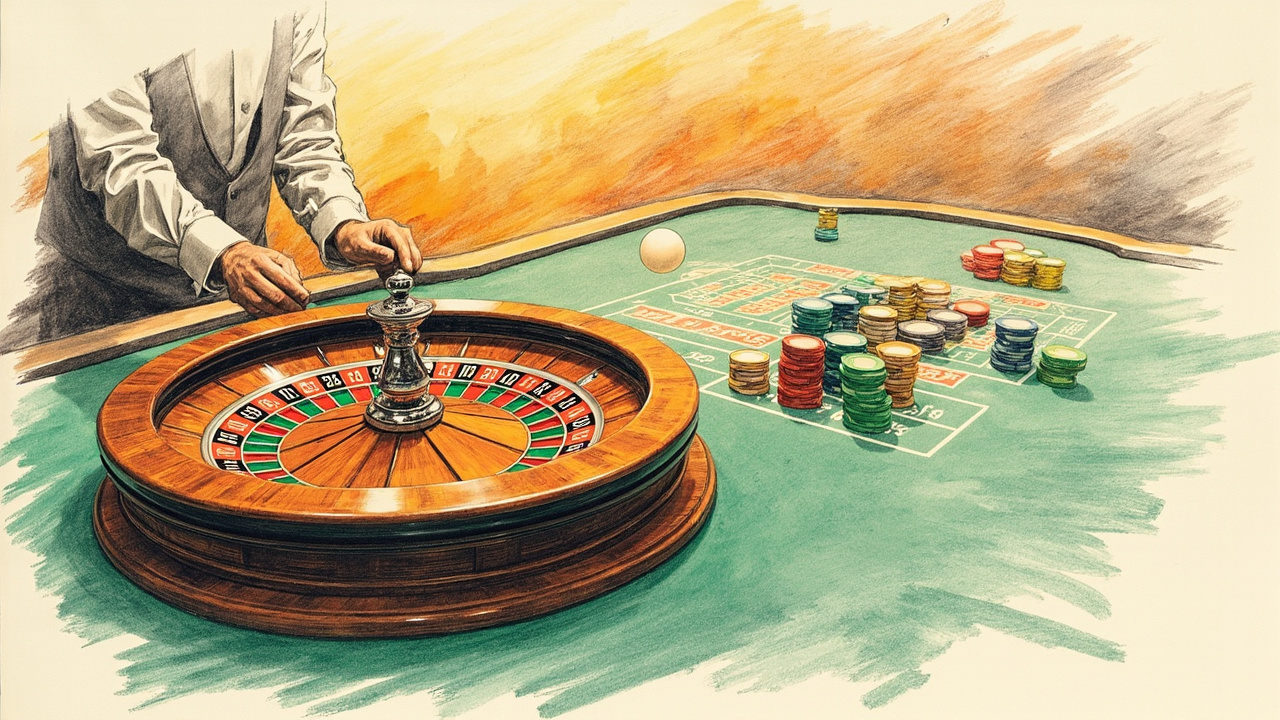
A well-run casino night hire Sydney package starts with the physical or virtual layout before a single chip is placed. In a live hire context, that means tables arranged for traffic flow, signage that explains buy-in and table limits without clutter, and a dealer cadence that keeps the room moving without feeling rushed. The art direction on the felt, the lighting on the wheels, and the way payouts are announced all feed into the same probability story the games are telling. I have seen rooms where the visual identity says high volatility but the payout pacing is conservative, and the mismatch is obvious within twenty minutes. A better approach is to match the table mix to the crowd: a few slower, higher-variance tables for the regulars, and a broader spread of steadier games for the casual crowd that wants a fair go at a night out without staring at a screen for hours. The same principle applies to digital presentations, where localisation, currency formatting, and navigation have to feel native rather than translated.
When the floor is digital rather than physical, the encounter shifts to interface and everyday usability. A player lands on the lobby, sees the game tiles, and has to make a decision in seconds. Visual identity needs to carry through from the landing page to the individual game screen, with consistent iconography, readable bet controls, and a language and currency setup that matches the Australian context without pretending to be anything it is not. Navigation should let someone move from a table game to a slot to their account balance without clicking through three unrelated menus. Search, if it exists, should surface the actual game or feature someone is looking for, not a generic list of categories. I judge these systems by how little friction there is between intent and action: a player who wants to check a limit, change a stake, or read a paytable should not have to hunt for it.
Payments, registration, and mobile flow sit underneath all of that. A hire package that includes a digital component needs a registration process that is quick but not careless, with clear expectations about verification and geo requirements rather than vague promises. Currency display should be consistent across the lobby, the game screen, and the account panel, and any bonus mechanics need to be described in terms a player can actually use: wagering, eligible games, and expiry written plainly. Mobile presentation should not feel like a shrunk-down desktop page; touch targets, bet sliders, and balance visibility need to work at a glance. Support, whether by phone, chat, or on-floor staff in a live hire, has to be reachable without making the player feel they are interrupting the event. Loyalty, if offered, should reward attendance and repeat play in a way that is visible and understandable, not buried in a points structure nobody reads.
- Walk through the lobby and identify the game mix, checking that the table limits and slot volatility spread suit the crowd you expect.
- Open the account or registration flow and confirm currency display, verification steps, and any bonus terms are written in plain language.
- Pick a starting game, set a stake that matches your session budget, and note how the bet controls and paytable are presented on screen.
- Watch the first few rounds for pacing and visual feedback, then adjust table or game choice if the volatility feels misaligned with the room.
- End the session by checking balance, any pending bonus status, and the support route, so the next visit starts with the same clarity.
Interface, Localisation and Everyday Usability in Practice
The interface is where probability meets presentation, and it is the part of a casino night hire Sydney experience that players feel most directly. A lobby that is visually coherent, with game tiles that actually reflect what is inside, builds trust faster than a crowded grid of banners. Navigation should be shallow enough that someone can move from the lobby to a game, to their balance, and back again without losing context. I compare this to how a well-designed slot floor uses sightlines and signage: the player should always know where they are, what they are playing, and what the next step is. Language and currency localisation matter here because they signal whether the product was built for the room it is in or simply dropped in. A login screen, a balance panel, and a paytable that all speak the same linguistic and monetary language feel calmer and more usable than a patchwork of formats.
Search and structure are the less glamorous parts that decide whether a session feels smooth or frustrating. A search tool that returns specific games or features, rather than a generic category dump, saves time and reduces the guesswork that turns casual players away. The same goes for account and bonus panels: if wagering, eligible games, and expiry are written in plain terms, players can make a decision without interpreting a maze of clauses. I have seen bonus mechanics that sound generous on paper but are tied to a narrow game list and a short window, which is the kind of design choice that creates friction rather than enjoyment. A better structure is one where the terms are visible before the player commits, and where the loyalty or reward layer adds something recognisable rather than a points total that only makes sense to the operator.
Mobile usability is not a separate product; it is the same interface under different constraints. Touch targets need to be large enough to hit without precision, bet controls should respond predictably, and balance visibility should not require a tap dance through menus. The art direction should carry over without losing legibility, because a room that looks good on a desktop but breaks on a phone reads as unfinished. Support accessibility matters here too: if a player has a question about a limit, a bonus, or a verification step, the route to help should be short and human, not a dead end of automated replies. I judge these details by how often a player can stay in the game rather than stepping out to solve a problem, because that is the real measure of everyday usability.
Who the Setup Suits and Where It Falls Short
A casino night hire Sydney package with a digital component suits a crowd that wants the social feel of a shared event but also values clear mechanics and quick access to the games they recognise. It works best when the table mix and the game selection are matched to the room: steady, familiar games for the casual crowd, and a few higher-variance options for players who understand the pacing they are signing up for. The same setup can fall short when the interface is cluttered, the localisation feels imported rather than built for the audience, or the bonus mechanics are described in ways that obscure what a player is actually getting. I would caution anyone booking a package to check the game mix, the currency and language presentation, and the support route before the event, because those are the parts that decide whether the night feels coherent or scattered. Ella Mitchell, Compliance Director, Southern Reef Gaming, puts it plainly: “A hire package is only as strong as the clarity of its terms and the consistency of its presentation; vague bonus wording and mismatched currency display are the first things that erode trust on the floor.” Georgia Anderson, Commercial Director, Capital Territory Gaming Forum, adds a commercial caveat: “The rooms that last are the ones where the mechanics, the art direction, and the support all tell the same story; anything else feels like a short-term fill rather than a durable offering.”
For a player, the practical question is whether the session feels readable from the first minute. If the lobby, the game screen, the balance panel, and the support route all line up, the night can carry itself. If one of those pieces is off, the rest of the room has to work harder to compensate, and that shows. No worries, the right package can be a solid fit for a mixed crowd, but it is worth checking the details before you commit, because a well-aligned floor and a clear interface are what turn an evening into something people remember.
A casino night hire Sydney booking is at its best when the maths, the visuals, and the usability are built around the same audience rather than stacked together as separate features. The rooms that hold up are the ones where a player can read the floor, understand the mechanics, and move through the session without friction, and that is the standard worth holding to before you book.